Plexiglass: A Bold and Versatile 3D Typeface for Creative Designs
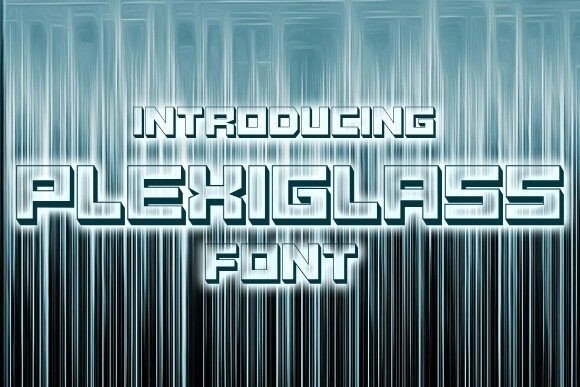
In the world of typography, the right font can transform a simple message into a visual statement. Among the many typefaces available, Plexiglass stands out as a bold and dynamic 3D typeface that captures attention and adds depth to any design. Whether you're working on t-shirts, brochures, or digital prints, this font offers a unique aesthetic that can elevate your creative projects.
The name Plexiglass itself evokes a sense of clarity and strength, much like the material it's named after. This 3D effect gives the text a physical presence, making it ideal for designs that need to stand out in a crowded space. The font’s structure is clean yet striking, with sharp edges and pronounced letterforms that make it highly readable even at smaller sizes.
One of the most appealing aspects of Plexiglass is its versatility. It works well in both digital and print formats, allowing designers to maintain consistency across different mediums. For instance, a logo designed with this font can seamlessly transition from a website banner to a business card without losing its impact. This adaptability makes it a valuable tool for professionals in various industries, from marketing to product design.
When considering the practical applications of Plexiglass, it's important to think about how the font interacts with other design elements. Its 3D nature means that it can add a layer of dimensionality to a layout, drawing the eye and guiding the viewer’s focus. In a brochure, for example, using Plexiglass for headings can create a focal point that enhances the overall composition. Similarly, in a digital ad, this font can be used to highlight key messages, making them more memorable.
Another benefit of Plexiglass is its ability to convey a modern and innovative vibe. The font’s design is reminiscent of futuristic aesthetics, which can be particularly effective for tech-related projects or brands looking to position themselves as forward-thinking. However, it's not limited to just high-tech applications. Its boldness also makes it suitable for artistic and experimental designs, where the goal is to provoke thought or evoke emotion.
For creators who are passionate about their work, Plexiglass offers an opportunity to express individuality through typography. Whether you're designing a custom t-shirt for a music festival or creating a promotional poster for an art exhibition, this font can help you communicate your vision with clarity and style. Its distinctive look ensures that your message isn’t just seen—it’s felt.
Business owners can also benefit from incorporating Plexiglass into their branding strategies. A well-chosen font can reinforce a brand’s identity and differentiate it from competitors. By using Plexiglass in logos, packaging, or signage, businesses can create a cohesive visual language that resonates with their target audience. This is especially useful for startups or small enterprises looking to make a strong first impression.
From an educational perspective, Plexiglass can be a valuable resource for students and educators alike. Design courses often emphasize the importance of typography in visual communication, and this font provides a tangible example of how form and function can intersect. Educators can use it to demonstrate the impact of 3D effects in design, while students can experiment with it to develop their own creative styles.
Researchers and analysts may find Plexiglass useful in data visualization projects. While it may not be the best choice for large blocks of text, it can be employed effectively in charts, infographics, or presentations to highlight key points. The font’s boldness ensures that important information stands out, making it easier for audiences to grasp complex concepts quickly.
Hobbyists and DIY enthusiasts can also explore the potential of Plexiglass in their personal projects. Whether they're creating custom stickers, greeting cards, or home decor, this font adds a touch of personality and professionalism. Its ease of use and availability make it accessible to those who may not have formal design training but still want to produce high-quality results.
When working with Plexiglass, it's essential to consider the context in which it will be used. While the font is visually striking, it may not be suitable for every project. For instance, in a minimalist design, a simpler typeface might be more appropriate. However, when the goal is to make a strong visual impact, Plexiglass can be a powerful choice.
Additionally, the readability of Plexiglass should be taken into account. Although it maintains good legibility at larger sizes, it may require careful spacing and sizing when used in smaller formats. Designers should test the font in different contexts to ensure that it conveys the intended message clearly and effectively.
Ultimately, Plexiglass is more than just a font—it's a design element that can enhance the visual appeal and functionality of a wide range of projects. Its combination of boldness, clarity, and versatility makes it a valuable asset for anyone involved in creative or professional work. Whether you're looking to make a statement or simply improve the look of your designs, Plexiglass offers a compelling solution that can meet your needs.